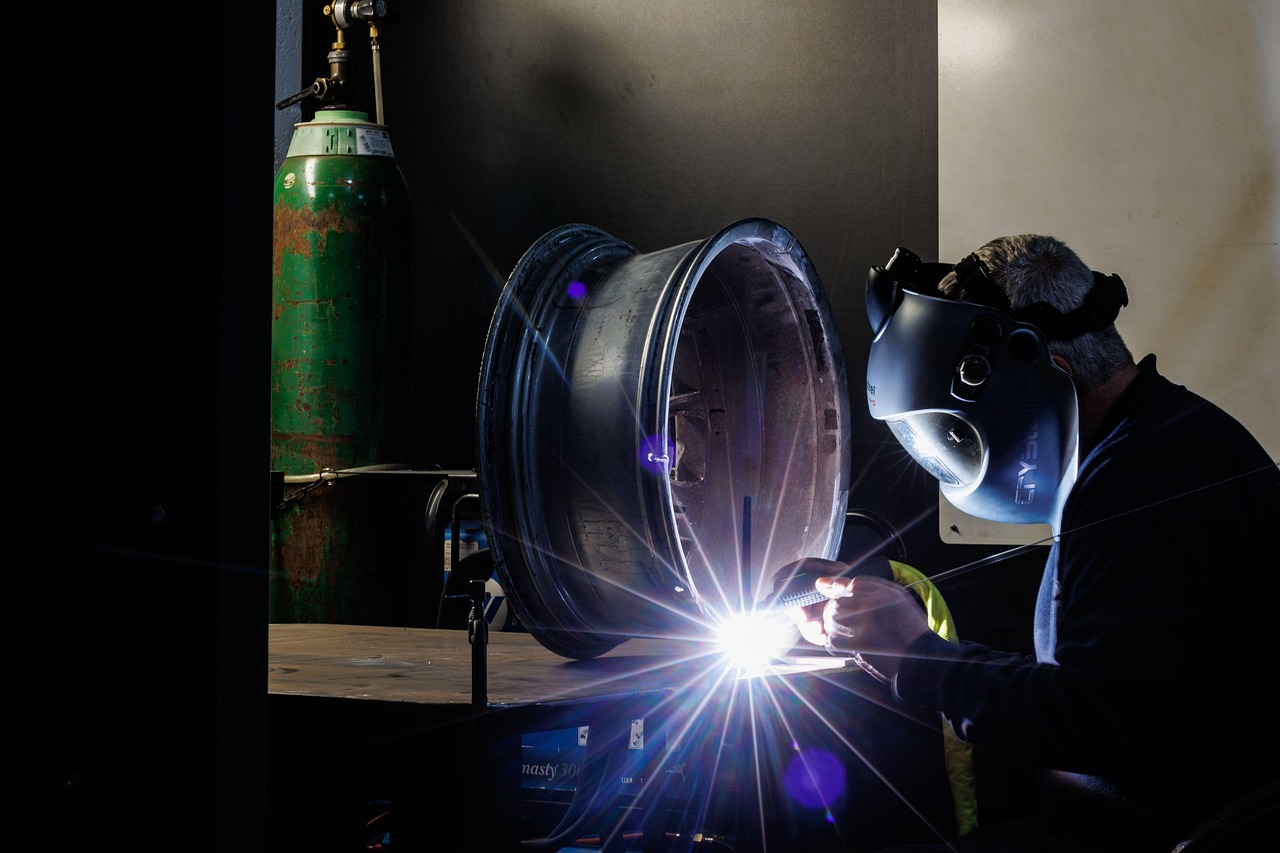
Running a successful welding business requires more than technical expertise. Every project involves responsibilities related to safety, equipment, client communication, and business management. Even small mistakes can lead to costly delays, damaged equipment, workplace injuries, or dissatisfied customers. Fortunately, many of these issues can be prevented through careful planning and consistent operating practices. Whether you specialize in residential, commercial, or industrial welding, understanding the most common business mistakes can help protect your reputation and improve long-term success. Here are 9 mistakes every welding business should avoid and practical ways to stay on the right track.
Overlooking Proper Business Protection
Many welding business owners focus heavily on completing projects but overlook reviewing their business protection as operations grow. New equipment, additional employees, larger contracts, and expanded services can all introduce new risks that should be evaluated regularly.
Working with experienced professionals can help ensure your business is prepared for unexpected situations. IIA welding insurance assists business owners in exploring coverage options that match the unique risks of welding operations. Reviewing your protection annually helps reduce coverage gaps and supports greater confidence when taking on new projects.
Ignoring Equipment Maintenance
Welding equipment performs best when it is inspected and maintained regularly. Skipping routine maintenance can lead to equipment failures, reduced work quality, unexpected downtime, and expensive repairs.
Create a maintenance schedule for welders, generators, torches, grinders, cables, and safety equipment. Replace worn components promptly and inspect tools before every job. Properly maintained equipment improves efficiency, extends service life, and helps prevent avoidable disruptions that can delay project completion.
Neglecting Workplace Safety Practices
Safety should always remain a top priority in every welding environment. Failing to wear protective gear, ignoring ventilation requirements, or overlooking fire hazards increases the risk of serious accidents.
Provide employees with proper training, enforce safety procedures consistently, and ensure protective equipment is readily available. Keeping work areas organized and identifying hazards before beginning each project creates a safer environment for both workers and clients while supporting a professional workplace culture.
Poor Communication With Clients
Miscommunication can create unnecessary challenges throughout a project. Unclear expectations regarding timelines, project scope, pricing, or material requirements often lead to misunderstandings and customer dissatisfaction.
Discuss every project in detail before work begins and confirm important agreements in writing. Keep clients informed about progress, delays, or unexpected changes as they occur. Clear communication builds trust, strengthens professional relationships, and reduces the likelihood of disputes after project completion.
Underestimating Project Costs
Accurate estimates are essential for maintaining profitability. Some businesses underestimate labor, materials, transportation, or equipment expenses in an effort to remain competitive, only to discover that the project generates little or no profit.
Take time to calculate all expected costs before submitting a quote. Include contingency planning for unexpected expenses whenever appropriate. Realistic pricing helps protect your business financially while allowing you to consistently deliver high-quality workmanship.
Failing to Keep Organized Records
Good recordkeeping supports every aspect of a successful welding business. Contracts, invoices, equipment maintenance logs, employee certifications, inspection reports, and customer communications should all be stored securely and updated regularly.
Organized records simplify project management, improve financial tracking, and provide valuable documentation if questions arise in the future. Digital backups offer additional protection and make important information easily accessible whenever it is needed.
Taking on More Work Than You Can Handle
Growth is exciting, but accepting too many projects at once can reduce quality and increase stress for your entire team. Tight schedules often lead to rushed work, missed deadlines, and employee fatigue, all of which can negatively affect customer satisfaction.
Evaluate your workforce, equipment availability, and project timelines before accepting new jobs. It’s often better to complete fewer projects with exceptional quality than to overcommit and risk damaging your reputation. Careful scheduling supports sustainable business growth and consistently high standards.
Skipping Employee Training and Skill Development
Even experienced welders benefit from ongoing training. New equipment, updated safety standards, and evolving welding techniques make continuous learning an important part of maintaining a successful business. Assuming employees already know everything they need can lead to inconsistent workmanship and preventable mistakes on the job.
Schedule regular training sessions, encourage certification renewals where appropriate, and provide opportunities for employees to improve their technical and safety skills. Investing in your team’s development helps produce higher-quality work, improves efficiency, boosts employee confidence, and demonstrates your commitment to professionalism and excellence.
Failing to Inspect Work Before Project Completion
Rushing to finish a project without performing a final inspection can result in overlooked defects, customer complaints, and costly rework. Every completed weld should be carefully examined to ensure it meets quality standards, project specifications, and safety requirements before the job is considered complete.
Develop a consistent inspection process that includes checking weld quality, measurements, structural integrity, and the overall finish. Taking a few extra minutes to review your work can prevent expensive corrections later, strengthen customer confidence, and reinforce your reputation for delivering dependable, high-quality welding services.