
I was recently reading an article by Fabric How to Write a Last Will and Testament and thought it would also be good to let people understand some basics about a will before they find out instructions on how to write one.
For starters, you probably already know the gist of what you’re supposed to do in a will. That is where you express your wishes about who should inherit your property. You can divide it among your heirs in whatever way you choose. The law recognizes those wishes and enforces them, except in a few special circumstances.
State Laws

If you fail to leave a will behind that categorically says who inherits your property or own your businesses after you pass away, then there are laws in every state that do the divvying up on your behalf. Everything you own generally goes to your closest family members according to the rules set out by state law.
These rules are different depending on the state whose laws govern the division of your property. However, generally speaking, your children and spouse are the main beneficiaries to your estate, and it will be divided among them.
That means that, if you’re running a large successful company, that company could very well end up being run by your spouse and children. This can be a bit tricky if either of those is unfit to run your company. Imagine a situation where your children are teenagers and are totally incapable of running your company. Alternatively, imagine a situation where you have had multiple marriages, and one of the spouses gets to inherit your company but doesn’t get along with the rest of your family, despite the fact that the rest of the family is intimately involved in the running of the company as well, such as being board members.
One of the most important reasons why a will is essential is that you don’t want your businesses to pass on to your kids when they’re young if an adult isn’t available to run the business until they come of age.
But that’s not all a will does. There are several other important functions it plays.
Name an Executor
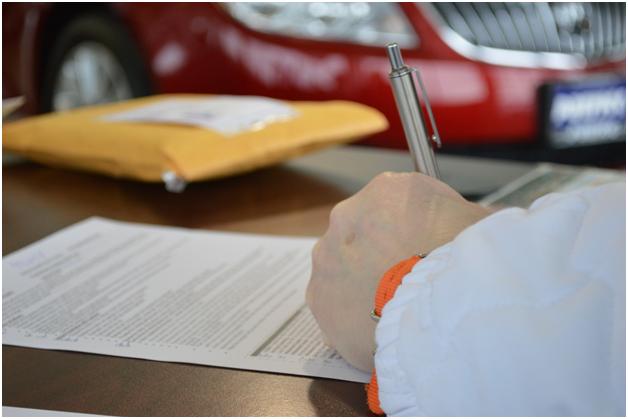
You can name an executor for your estate in your will. This is the person who is charged with the responsibility of carrying out the terms of your will. They gather your assets, pay your debts, file tax returns on your behalf and distribute your property among your heirs in the way that you want it done. That can be a difficult job, and you should pick someone whose wisdom and shrewdness you trust. If you don’t prepare your own will, the court will appoint an executor for you, who could be your spouse or any of your surviving children. It’s generally not a good idea to leave that work to a stranger.
Create a Trust
A will also allows you to choose someone to manage the property you have left to your children until they come of age. You can create a trust that manages this property if your children are still minors when you leave them property and appoint a custodian whom you trust to run the trust for your kids.
In general, a will is a very important document that ensures that your estate is divided among your heirs in a manner that you desire. It also ensures that special heirs get their inheritance managed for them before they come of age. It protects all your assets and heirs as you wish.